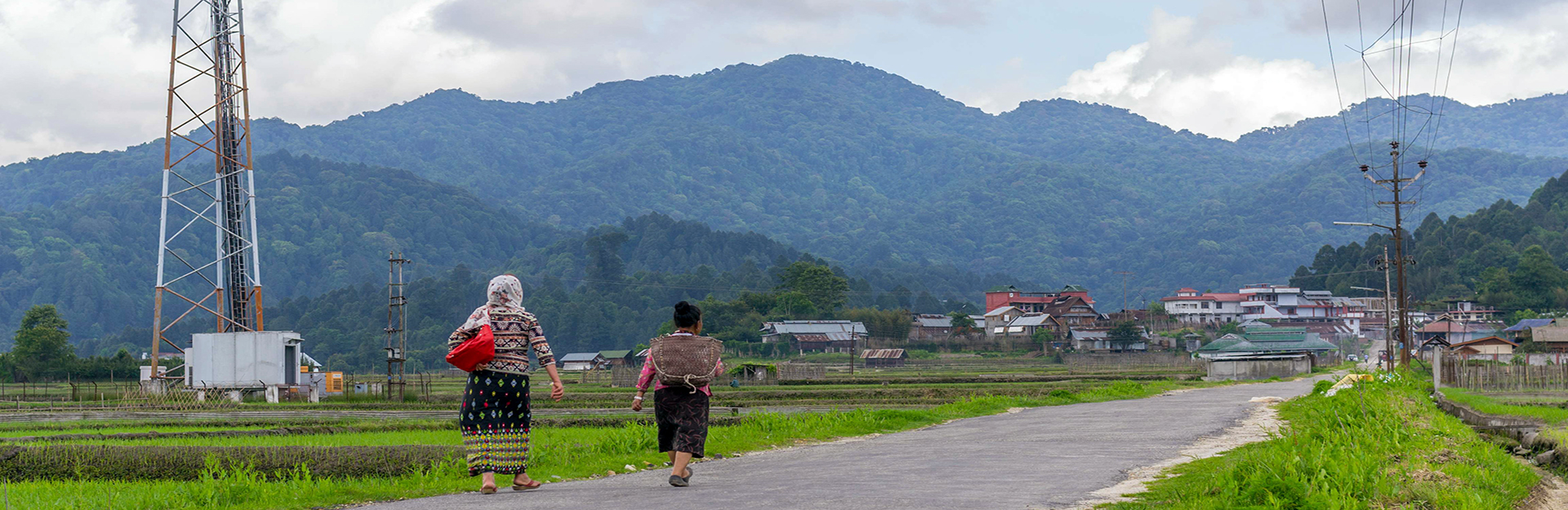
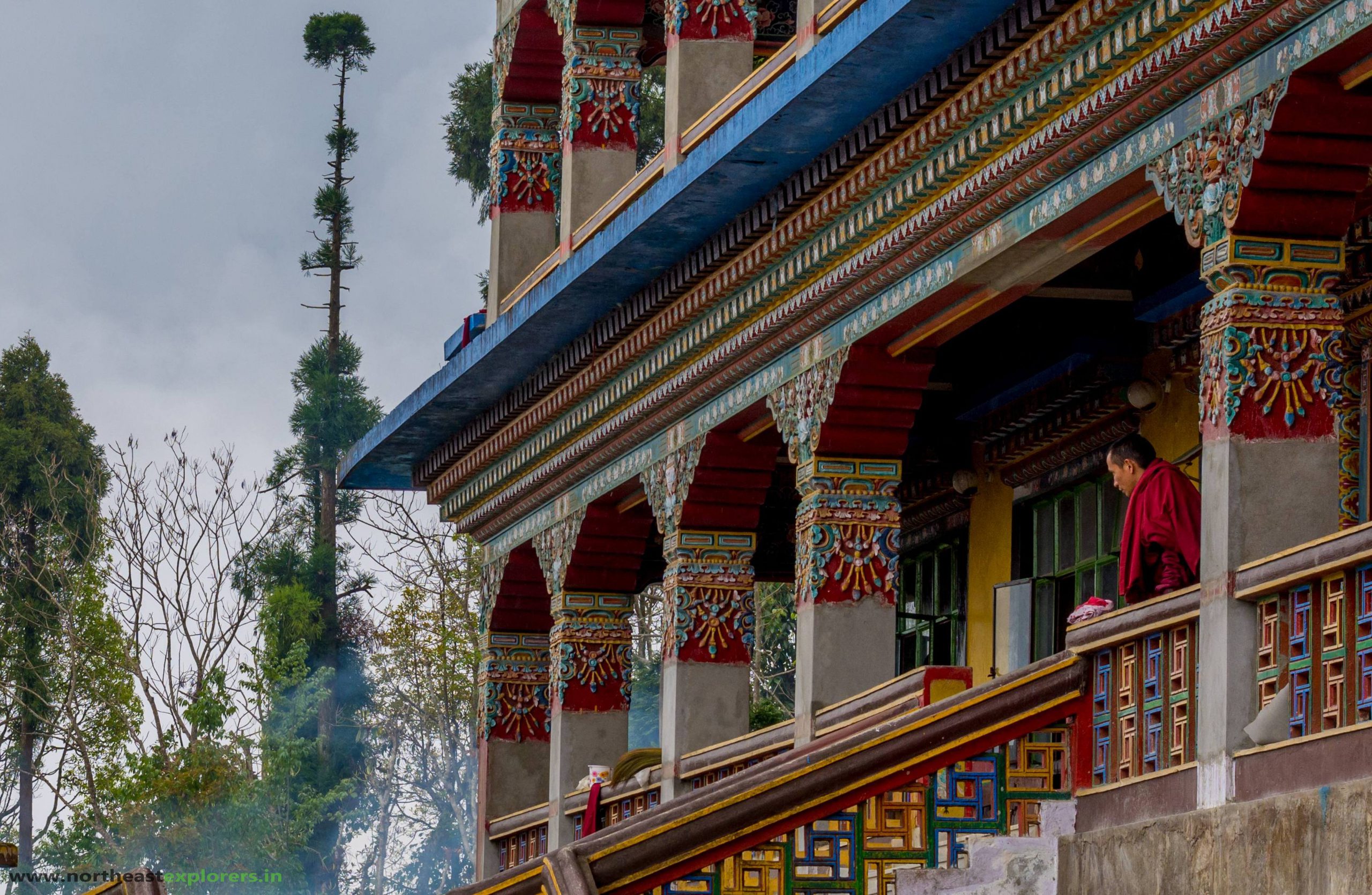
There are places that impress you with their landscapes, and then there are places that stay with you because of the people you meet.
Nagaland is one of those places.
Home to numerous Naga tribes, each with its own language, traditions, architecture, textiles and cuisine, the state offers one of the richest cultural landscapes in India. Beyond the familiar images of tattooed elders lies a living, evolving society where age-old customs continue alongside modern aspirations.
This North East photography tour, with a focus on the tribes of Nagaland, has been designed for photographers who enjoy documenting people and cultures with patience and respect. Rather than chasing landmarks or staged portraits, we spend time in villages, explore bustling local markets, share meals featuring traditional Naga cuisine, and walk through communities where daily life unfolds naturally.
Whether you photograph with a professional camera or simply enjoy visual storytelling, this journey is about slowing down, observing, and creating meaningful images that go beyond postcards.
North East India Photography Expedition – A Quick Look
Let’s have a quick look at how this photography tour to North East India is going to look.
- Day 1: Arrival in Dimapur – Drive to Kohima
- Day 2: Kohima Local Exploration
- Day 3: Kohima – Khonoma
- Day 4: Exploring Khonoma
- Day 5: Khonoma – Mokokchung
- Day 6: Explore Ao Naga villages – Longkhum, Ungma and Mopungchuket
- Day 7: Mokokchung – Mon
- Day 8: Exploring Longwa Village
- Day 9: Longwa & Surrounding Villages
- Day 10: Exploring other Konyak Naga Villages – Hongpoi & Sheanghah Chingnyu [Time permitting]
- Day 11: Mon – Dibrugarh
- Day 12: Departure from Dibrugarh
Detailed Photography Tour Itinerary
Let’s now delve deeper into this North East India photography tour itinerary.
Day 1: Arrival in Dimapur – Drive to Kohima
Our journey begins in Dimapur, the gateway to Nagaland. From the plains, the road gradually climbs towards Kohima. The landscape changes quickly as we enter the Naga Hills. After checking in, the rest of the evening is free to relax or take a short walk around Kohima. It is a gentle start to the expedition, with our first glimpses of everyday life in Nagaland.
Overnight: Kohima
Day 2: Kohima Local Exploration
Today we explore Kohima, the capital of Nagaland. We begin with the city’s local markets, where vegetables, herbs, smoked meats and other local ingredients offer a fascinating introduction to Naga food culture. The markets are also a good place to see everyday life up close. Vendors, shoppers and small food stalls bring a very different side of Nagaland to the camera. We also visit the Kohima War Cemetery, an important historical site from the Second World War. By evening, we return to the streets and neighbourhoods of Kohima for more photography.
Photography focus: markets, food, street life and everyday portraits.
Overnight: Kohima
Day 3: Kohima – Khonoma
After breakfast, we leave Kohima for Khonoma, one of Nagaland’s best-known traditional villages. Khonoma is home to the Angami Naga community and has become well known for its conservation efforts. Steep forested hills and terraced fields surround the village. We walk through its narrow lanes and explore the old village settlement. Traditional houses, stone pathways and community spaces offer plenty of details to photograph. There is no need to rush.
We take the afternoon slowly and allow time to observe village life.
Photography focus: Angami architecture, village life, traditional homes and landscapes.
Overnight: Khonoma
Day 4: Exploring Khonoma on foot
Today is dedicated entirely to Khonoma. A second day gives us something that most short visits cannot, time. We walk through different parts of the village and spend time around its traditional homes and agricultural landscapes. Depending on the season, we may see different stages of farming and village activity. We also get an opportunity to experience local food and learn more about Angami traditions. For photographers, this is a day to slow down. Look at the small details. Photograph the textures, faces, food and spaces that tell the story of the village.
Photography focus: people, food, traditional architecture, farming and everyday life.
Overnight: Khonoma
Day 5: Khonoma – Mokokchung
We leave the Angami hills behind and travel towards Mokokchung, the cultural centre of the Ao Nagas. The journey takes us deeper into Nagaland and through changing landscapes. Mokokchung has a very different character from Kohima. It is the centre of Ao Naga culture and an important commercial town for the surrounding villages. After checking in, we take an easy walk around town if time permits.
Overnight: Mokokchung
Day 6: Explore Ao Naga villages – Longkhum, Ungma and Mopungchuket
Today is one of the most interesting days of the expedition. We explore three Ao Naga villages – Longkhum, Ungma and Mopungchuket.
Each village has its own character and history. Ungma is traditionally regarded as one of the oldest Ao Naga villages. Longkhum is known for its hilltop setting and views across the surrounding landscape. Mopungchuket is another important Ao settlement with strong cultural traditions.
We walk through the villages, photograph traditional houses and community spaces, and observe everyday life. There will also be opportunities to try local Ao food and learn more about the traditions of the community.
Photography focus: Ao Naga culture, village architecture, food, people, and everyday life.
Overnight: Mokokchung
Day 7: Mokokchung – Mon
Today we travel towards Mon district in northern Nagaland. The landscape becomes increasingly remote as we move towards the Konyak homeland. The Konyak are one of Nagaland’s best-known Naga communities, historically associated with distinctive facial tattoos, traditional ornaments and elaborate village traditions. We arrive in Mon and settle in for the night.
Overnight: Mon
Day 8: Exploring Longwa Village
Today we travel to Longwa, one of the most fascinating villages in Nagaland. Longwa lies close to the India–Myanmar border. The international boundary passes through the village, making its location particularly unusual.
But Longwa is much more than its border. We spend the day walking through the village and learning about Konyak life. Traditional houses, village paths, community spaces and the surrounding hills provide a rich setting for documentary photography.
We take time to interact with people and photograph only where appropriate.
Photography focus: Konyak culture, village life, traditional homes, portraits and everyday details.
Overnight: Longwa
Day 9: More of Longwa and Surrounding Villages
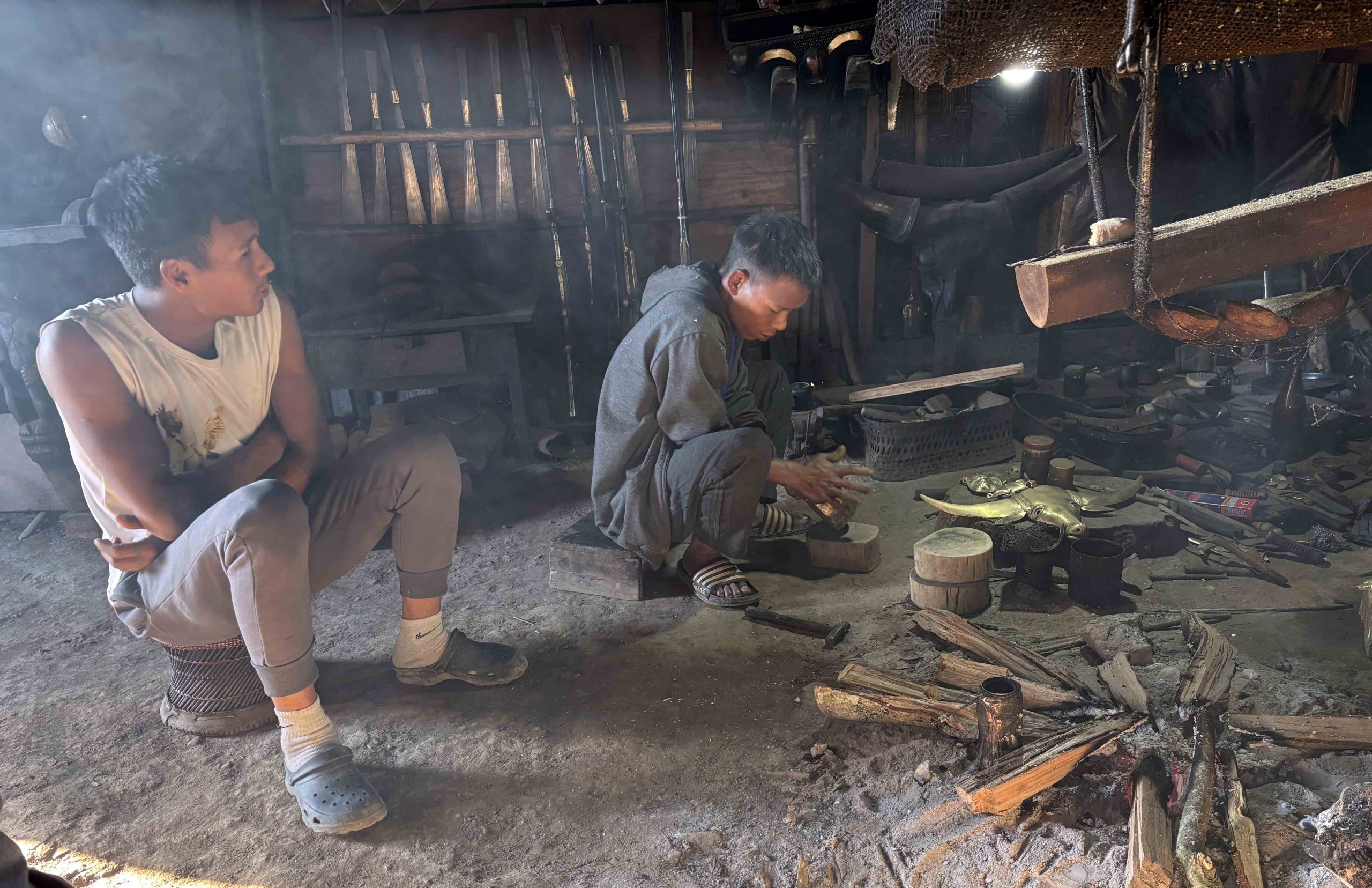
We spend another day in the Longwa area. This gives us time to go beyond the most familiar images of the Konyak and look at everyday life in the villages. We explore nearby settlements and photograph agriculture, traditional crafts, homes and food preparation where opportunities arise.
The pace remains deliberately slow. Some of the best photographs on a journey like this often come from simply spending enough time in one place.
Photography focus: rural life, crafts, food, agriculture and documentary photography.
Overnight: Longwa
Day 10: Exploring other Konyak Naga Villages – Hongpoi & Sheanghah Chingnyu [Time-permitting]
Today we visit Hongpoi and, if time permits, also Sheanghah Chingnyu, two Konyak Naga villages in the region. These smaller settlements offer another perspective on Konyak life away from the better-known Longwa.
We explore the villages on foot and spend time observing their traditional architecture and daily routines. There is also time to photograph details that are easy to miss — woven textiles, bamboo and woodwork, cooking spaces, agricultural tools and the changing textures of old village homes.
Photography focus: Konyak villages, traditional architecture, crafts, food and everyday life.
Overnight: Mon
Day 11: Mon – Dibrugarh
We leave Nagaland today and begin our journey back towards Assam. The road gradually descends from the Naga Hills into the plains.
After several days of travelling through villages and communities, the change in landscape is striking.
We reach Dibrugarh by evening and check into our hotel.
Overnight: Dibrugarh
Day 12: Departure from Dibrugarh
The expedition comes to an end today. After breakfast, we transfer to Dibrugarh Airport for your onward journey.
Over the past twelve days, we have travelled through three distinct Naga cultural regions, Angami, Ao and Konyak, and experienced Nagaland through its villages, food, people and traditions.
Hopefully, we leave with more than photographs.
We leave with a better understanding of the people behind them.
Inclusions
- All permits for Indian Nationals as required.
- All Toll Charges.
- A dedicated vehicle with a driver cum guide for the entire trip.
- Local guide wherever required.
- Accommodation on a twin-sharing basis.
- Breakfast on all mornings from Day 2 till the last day’s check-out.
Exclusions
- Any personal/sanitary/medical expenses.
- Any unplanned extension in the number of days staying.
- Food and snacks.
- Parking Fee.
- ILP/PAP/RAP Fee for non-Indians.
- Anything that is not mentioned in the inclusions section above.
- 5% GST.
- Any Gratuity money.
**Do note that this takes you through some of the remotest regions of North East India with limited/basic infrastructure.
**Stays at such places will be simple and basic.
Best Time to Visit
October to April is a good period for this journey, with generally comfortable weather for travelling through Nagaland and spending time outdoors.
The exact experience will vary with the season. Local food, agricultural activity and village life naturally change throughout the year.
Who Is This Tour For?
This Nagaland photography tour is designed for photographers who are interested in people and culture rather than only landscapes.
You do not need to be a professional photographer. A mirrorless camera, DSLR, or even a good smartphone is enough.
What matters more is curiosity, patience, and an interest in meeting people and understanding the places you photograph.